
Bring the Science of EmotionsTM to Work
… and transform your culture to maximize retention, growth, and revenue
Purpose over Paycheck
Why do good employees leave? Despite what many people think, it’s not necessarily for a better salary. Rather, employees leave when they lack growth and purpose; when they don’t feel a sense of belonging or appreciation. 1 2 3
These are universal human needs and when they go unmet in the workplace, it can lead to high turnover, increased recruitment costs, and a constant drain on talent.4 5 6
To address these issues, organizations may try things like yoga classes or Pizza Fridays, one-size-fits-all training programs, or checking the boxes in DEI.
But these are superficial tactics that don’t address the root of the issue. It’s like numbing the pain of a broken leg with Tylenol. The symptoms may be silenced for now, but the injury persists, until one day it erupts into a crisis that could have been avoided.
To get to the root of excessive stress, disengagement, burnout, turnover, and disappointing overall results, we have to understand what’s driving behavior—people’s emotions. 7
Emotions shape how people perform, collaborate, and make decisions.
The Science of EmotionsTM
We’ve been told over and over to leave our emotions at home, that work should be a place of pure logic, and emotions are distractions that cloud decision-making.
But the truth is, ignoring the rich data that emotions convey is a mistake.
Emotions are biological processes that shape our thoughts, decisions, and actions, and are therefore deeply intertwined with performance and well-being. Our brains continually create emotions as an adaptive mechanism for survival, a process that doesn’t pause when we walk into work.
Success doesn’t happen in a vacuum—it hinges on how your people feel day to day and the emotional climate in which they’re operating.
The emotional culture of your organization is not a background detail — it is the invisible architect of your organization’s success or failure.
The Science of EmotionsTM offers leaders an evidence-based approach to transform the workplace into a space where emotions are allies, not adversaries. Taking purposeful action to build a climate of emotional agency that supports shared goals is one of the most powerful investments you can make in your team.
When you bring the Science of EmotionsTM to work you foster a healthy, resilient environment where employees feel appreciated, connected, and motivated. This strong foundation will help you attract and retain top talent while driving long-term success.
Sessions* on the Science of EmotionsTM at Work
FOR LEADERS
Small Actions, Big Impact: Transforming Workplace Culture with Strategic Insights from the World’s Happiest Country
• Discover how leadership shapes emotional climate, trust, and performance
• Learn evidence-based practices for motivation and alignment
• Build emotional agency for clear decisions under pressure
• Enable conditions where people contribute their best work
FOR TEAMS
Beyond Psychological Safety: Building a Strong and Innovative Team Culture of Belonging and Agency
• Understand how team climate shapes collaboration and decisions
• Strengthen communication for voice, participation, and conflict navigation
• Develop shared practices for belonging and innovation
• Balance logic and empathy to unlock performance
FOR INDIVIDUALS
Navigating the Emotional Load of High-Pressure Roles
• Understand emotional load and its impact on performance and well-being
• Learn to interpret and regulate stress using neuroscience and psychology
• Develop emotional agency and sustainable resilience strategies
• Build a personal toolkit for clarity, endurance, and meaning at work
FOR ORGANIZATIONS / SYSTEMS
Addressing Psychosocial Risk and Organizational Justice through the Science of Emotions™
• Understand psychosocial risk as a systemic condition
• Connect duty-of-care, fairness, and emotional climate to performance and prevention
• Build leadership capacity to reduce downstream emotional load
• Create environments where people can think, collaborate, and perform
*These sessions can be delivered as keynotes, workshops, or briefings and tailored to industry and audience.
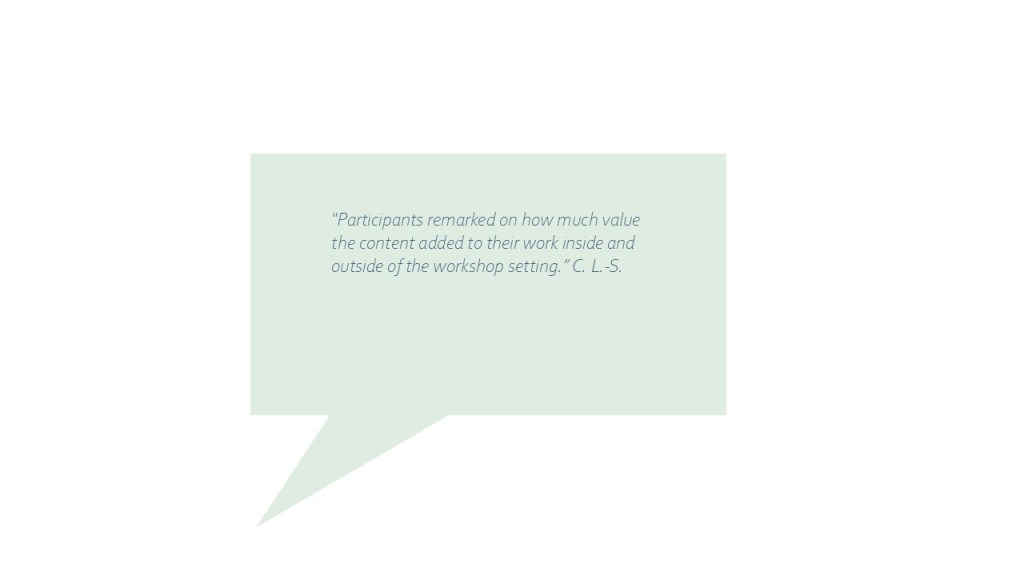
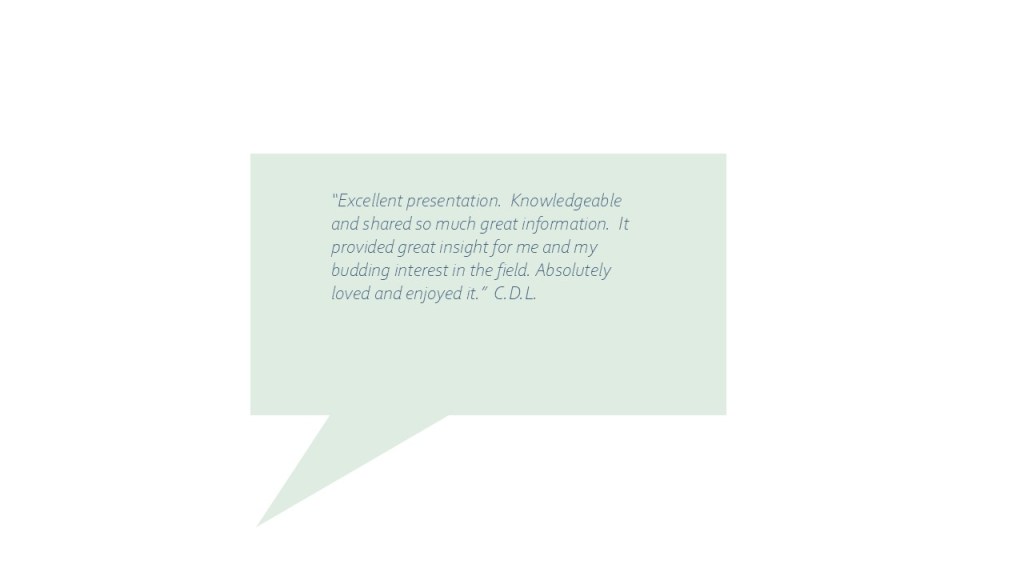
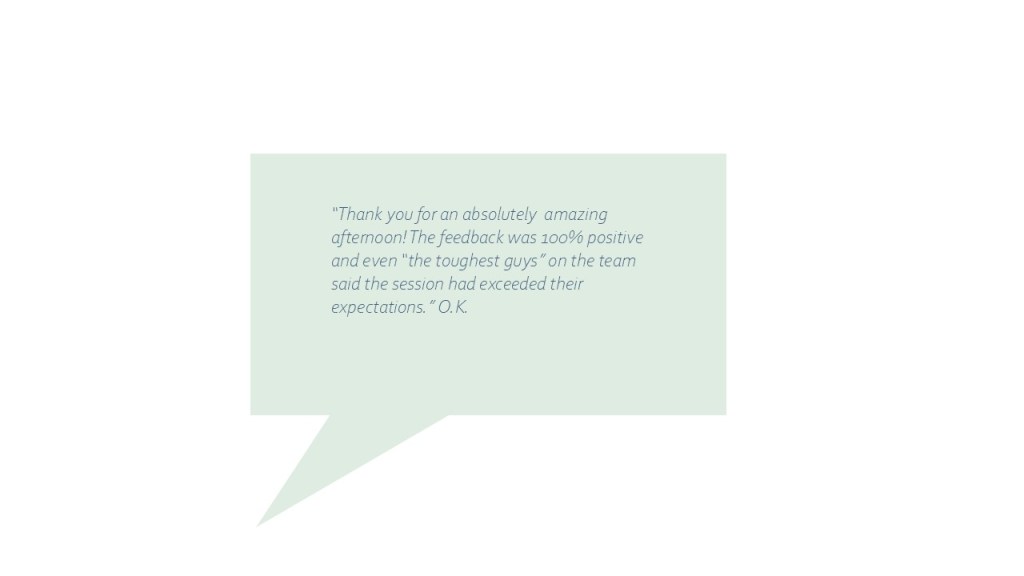
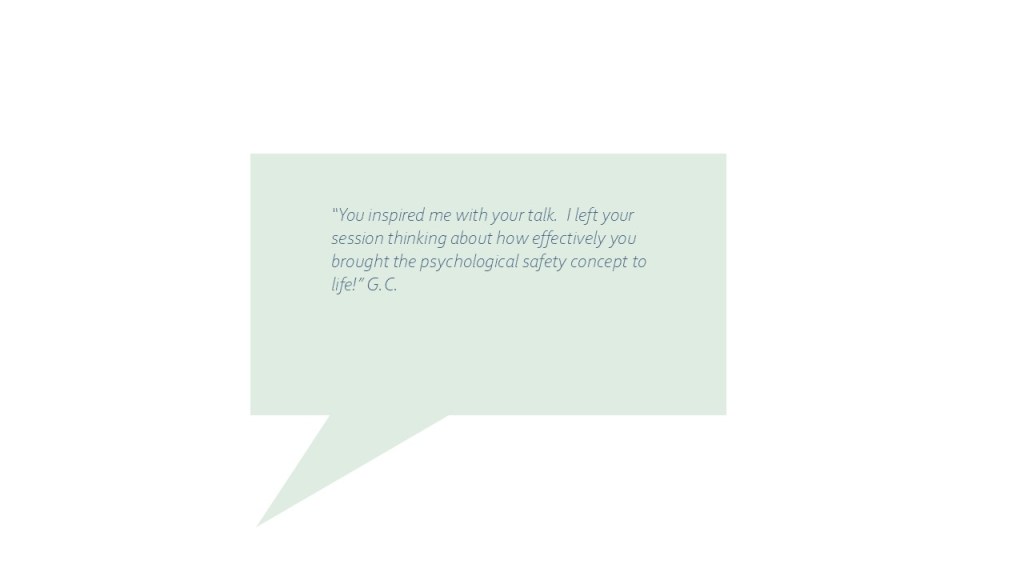
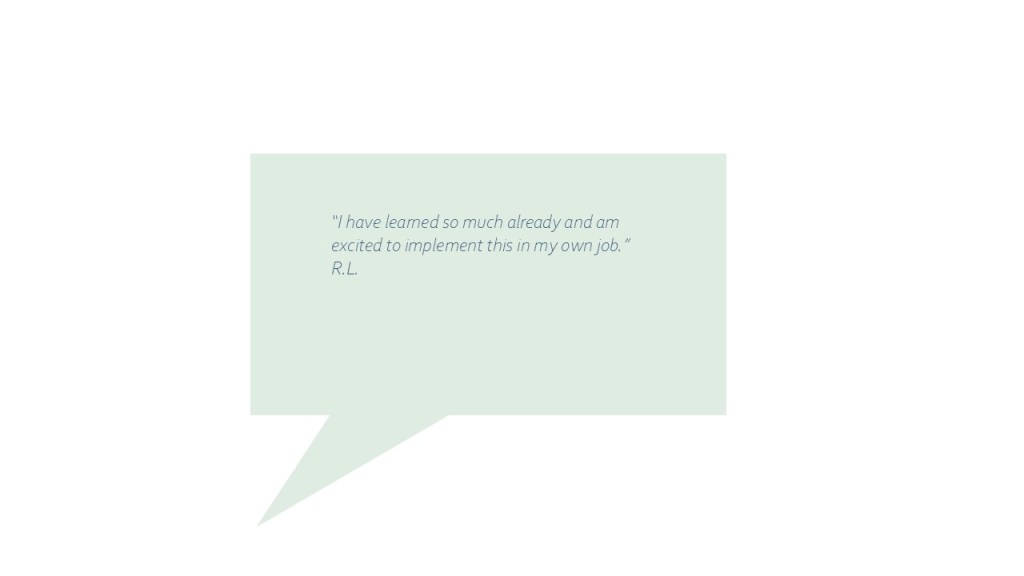
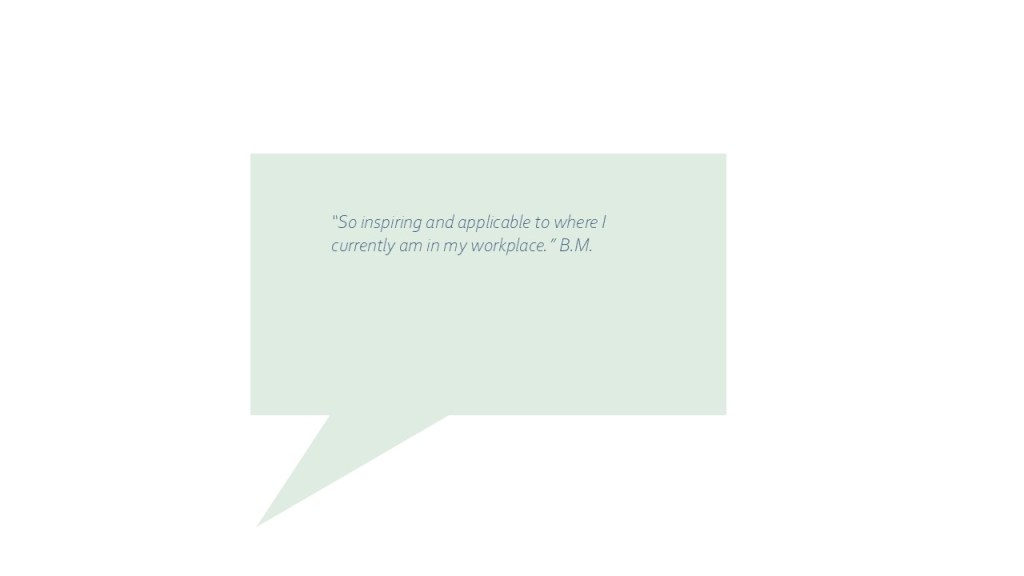
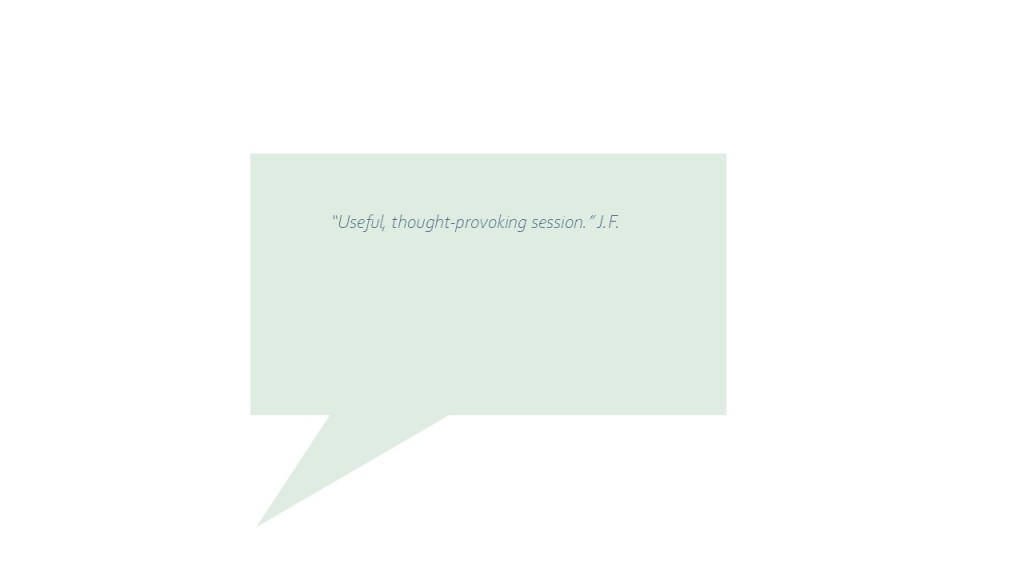
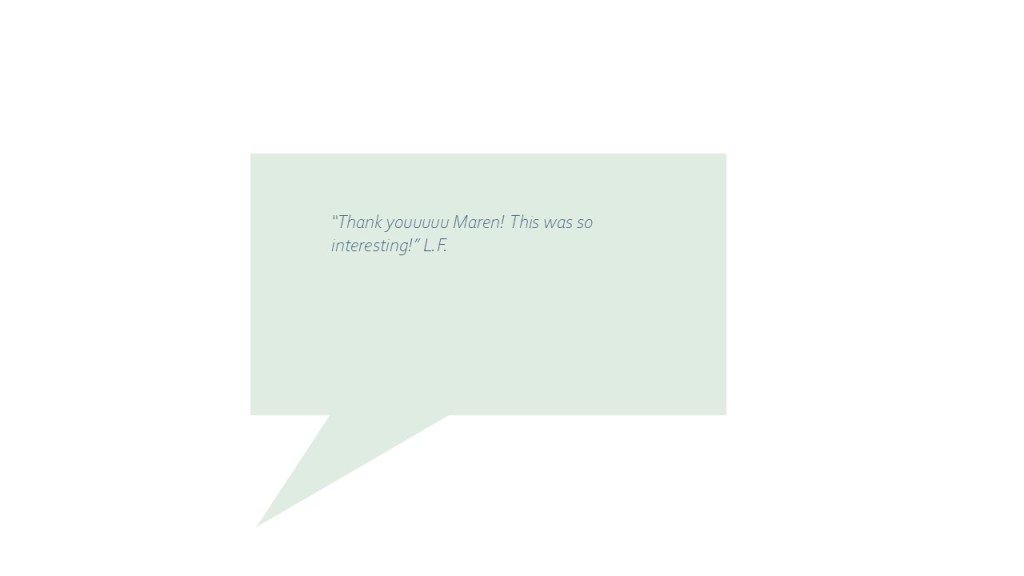
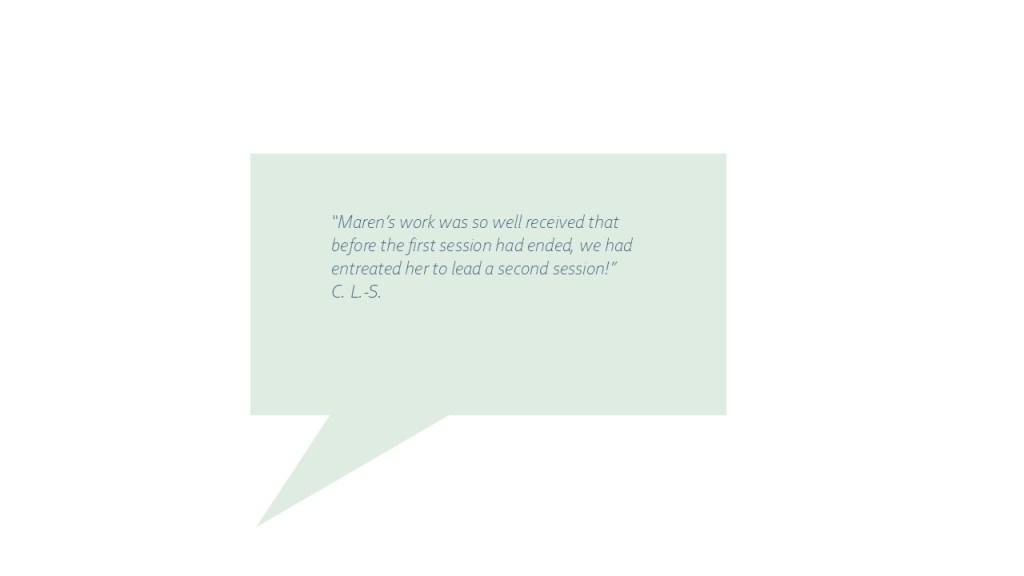
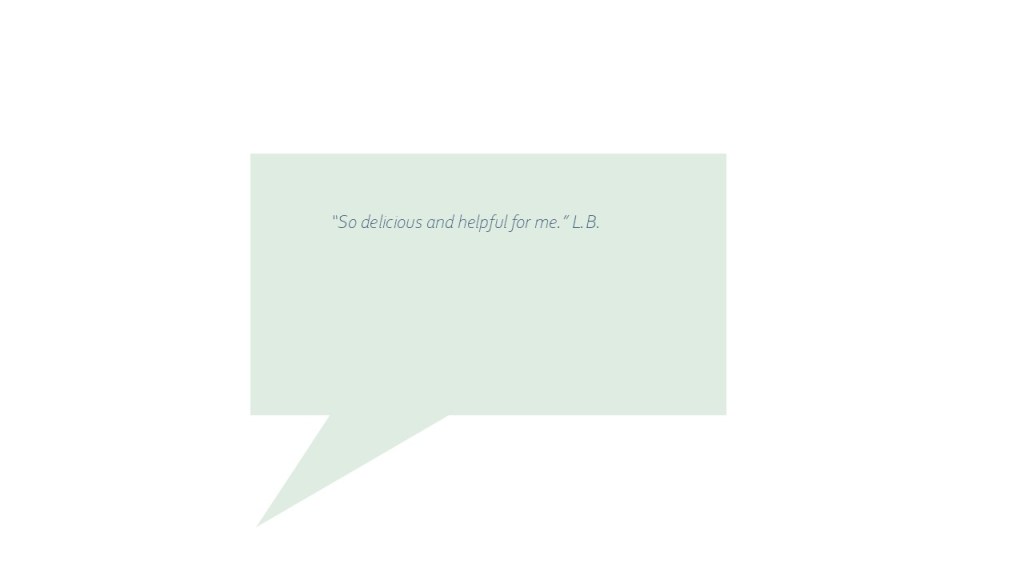
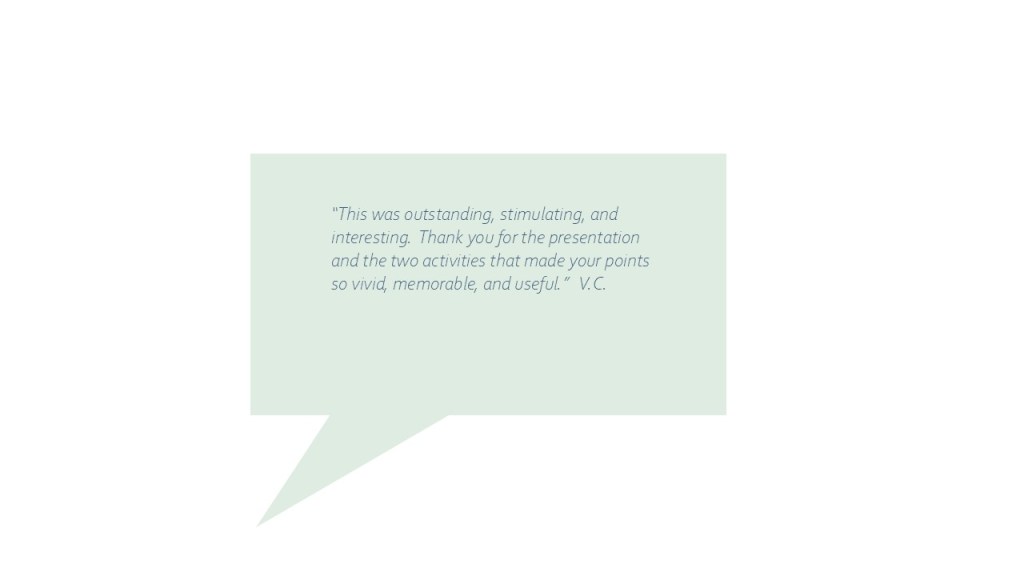
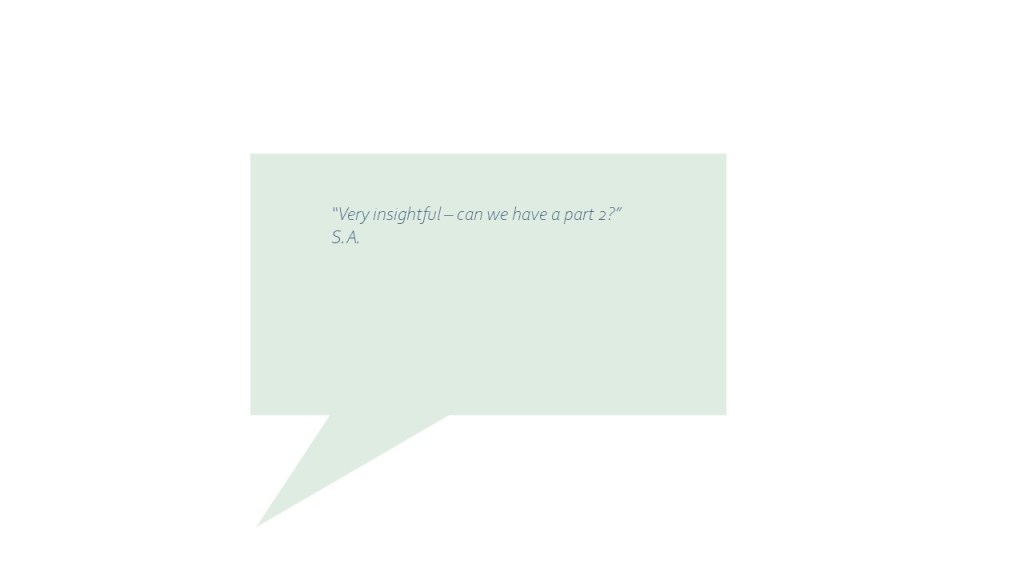
Client and participant feedback
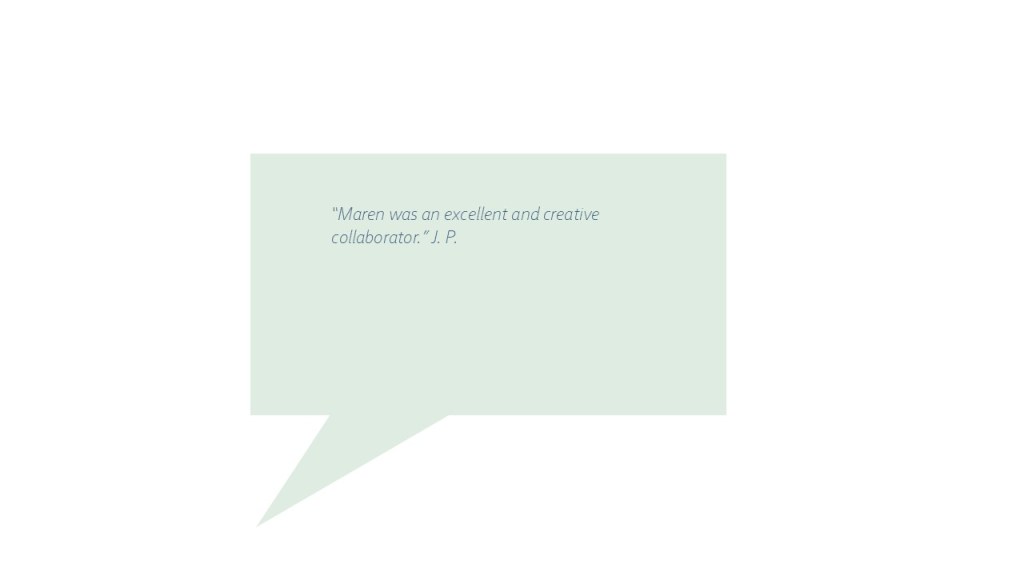
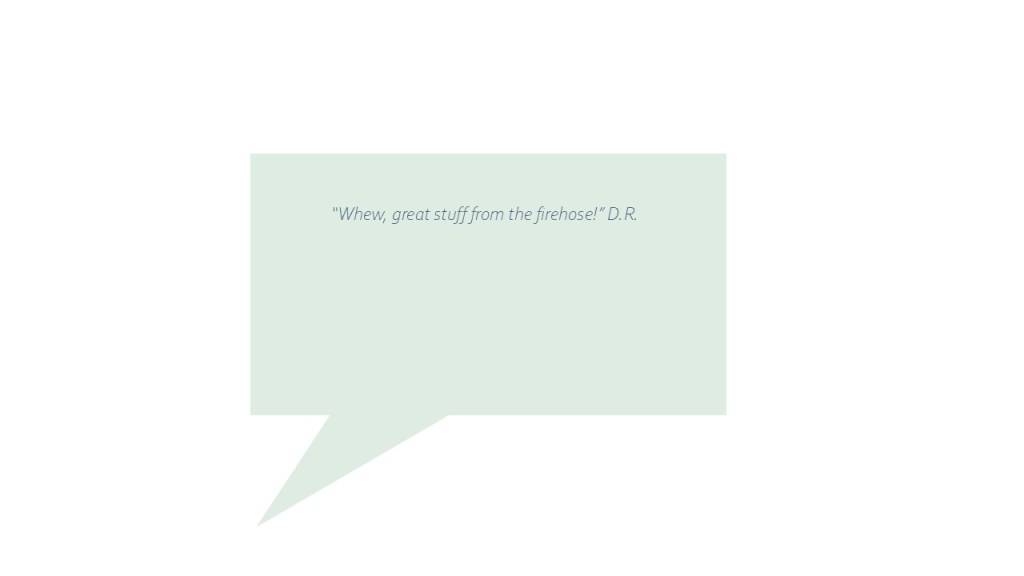

Hi, I’m Maren.
As a speaker and workshop facilitator, I use the Science of EmotionsTM to help team leaders recognize the hidden driver of success and failure in organizations – the emotional culture of the workplace.
Rather than ignoring or suppressing their own or others’ emotions, I teach leaders and teams how to interpret, influence and harness the valuable data that emotions offer us, data that each of us carries with us, all the time. As a result, leaders can be intentional about building cultures of emotional agency that drive team success.
As a former executive, I’ve personally experienced the lack of psychological safety in many professional and educational contexts, and understand first-hand the toll it takes. It stops people from doing their best work (because nobody does their best work in survival mode!), exhausts them, and eventually has them looking for the exits.
But when you intentionally shape a culture where people feel valued and have a sense of belonging and purpose, they foster deeper connections to each other as well as the organization, and are more motivated to align behind shared goals.
If you’re ready to bring the Science of EmotionsTM to work and profoundly transform your culture to maximize retention, growth, and revenue, let’s chat.
Relevant articles I’ve co-authored:



How “Carewashing” Alienates Employees (Harvard Business Review)
Resilient Organizations Make Psychological Safety a Strategic Priority (Harvard Business Review)
4 Ways to Spark Creativity When You’re Feeling Stressed (Harvard Business Review)
© 2026 Maren Gube – All Rights Reserved
- S. Hyken, “Beyond Money: The Real Reasons Employees Stay Or Leave,” Forbes, Jul. 09, 2023. https://www.forbes.com/sites/shephyken/2023/07/09/beyond-money-the-real-reasons-employees-stay-or-leave/ ↩︎
- S. Peek, “Why Employees Quit (and How to Reduce Turnover Rates),” business.com, Mar. 17, 2020. https://www.business.com/articles/reasons-employees-quit/ ↩︎
- DDI, “New DDI Research: 57 Percent of Employees Quit Because of Their Boss,” http://www.prnewswire.com, Dec. 09, 2019. https://www.prnewswire.com/news-releases/new-ddi-research-57-percent-of-employees-quit-because-of-their-boss-300971506.html ↩︎
- K. Parker and J. M. Horowitz, “Majority of Workers Who Quit a Job in 2021 Cite Low pay, No Opportunities for advancement, Feeling Disrespected,” Pew Research Center, Mar. 09, 2022. https://www.pewresearch.org/short-reads/2022/03/09/majority-of-workers-who-quit-a-job-in-2021-cite-low-pay-no-opportunities-for-advancement-feeling-disrespected/ ↩︎
- B. Wigert, “6 Workplace Trends Leaders Should Watch in 2024,” Gallup.com, Dec. 18, 2023. https://www.gallup.com/workplace/547283/workplace-trends-leaders-watch-2024.aspx ↩︎
- Deloitte, “Becoming irresistible: A new model for employee engagement,” Deloitte Insights, Jan. 27, 2019. https://www2.deloitte.com/us/en/insights/deloitte-review/issue-16/employee-engagement-strategies.html ↩︎
- S. Barsade and D. Gibson, “Why Does Affect Matter in Organizations?,” 2007. Available: https://faculty.wharton.upenn.edu/wp-content/uploads/2012/05/Barsade_WhyAffectMattersAOM.pdf ↩︎
Cover Photo by Matt Hardy on Unsplash

